الرئيسية الكورسات قواعد البيانات كورس DBMS (Database Management system) Complete Playlist

كورس DBMS (Database Management system) Complete Playlist

👤 Gate Smashers 🎬 140 درس ⏱️ 25 ساعة 15 دقيقة 📶 مبتدئ 🇪🇬 عربي
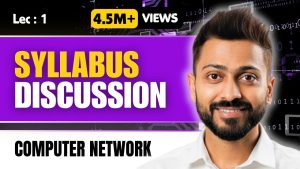
Lec-1: DBMS Syllabus for GATE, UGCNET, NIELIT, DSS
📋 محتوى الكورس 140 درس · 25 ساعة 15 دقيقة
  • 1 Lec-1: DBMS Syllabus for GATE, UGCNET, NIELIT, DSSSB etc.| Full DBMS for College/University Students 18:04
  • 2 Lec-2: Introduction to DBMS (Database Management System) With Real life examples | What is DBMS 12:00
  • 3 Lec-3: File System vs DBMS | Disadvantages of File System | DBMS Advantages 13:00
  • 4 Lec-4: 2 tier and 3 tier Architecture with real life examples | Database Management System 12:57
  • 5 Lec-5: What is Schema | How to define Schema | Database management system in Hindi 4:34
  • 6 Lec-6: Three Schema Architecture | Three Level of Abstraction | Database Management System 15:25
  • 7 Lec-7: What is Data Independence | Logical vs. Physical Independence | DBMS 10:22
  • 8 Lec-8: Integrity Constraints in Database with Examples 7:14
  • 9 Lec-9: What is CANDIDATE KEY and PRIMARY key | Full Concept | Most suitable examples | DBMS 5:12
  • 10 Lec-10: What is Primary Key in DBMS | Primary Key with Examples in Hindi 11:31
  • 11 Lec-11: Foreign Key in DBMS | Full Concept with examples | DBMS in Hindi 8:43
  • 12 Lec-12: Insert, Update & Delete from Foreign Key table | Referential Integrity 18:19
  • 13 Lec-13: Question on Foreign Key | ये Question Competition Exams में अक्सर पूछा गया है 8:44
  • 14 Lec-14: Foreign Key🔑 with On Delete Cascade with Execution 5:34
  • 15 Lec-15: Super key in DBMS in HINDI | ये Question Competition Exams में अक्सर पूछा गया है 9:42
  • 16 Lec-16: Introduction to ER model | ER Model क्या है 8:32
  • 17 Lec-17: Types of Attributes in ER Model | Full Concept | DBMS in Hindi 14:02
  • 18 Lec-18: One to One relationship in DBMS in Hindi 16:44
  • 19 Lec-19: One to Many Relationship in DBMS in Hindi | 1-M Relationship 13:59
  • 20 Lec-20: Many to Many Relationship in DBMS | M-N Relationship 10:47
  • 21 Lec-21:Introduction to Weak Entity Set with Example | Database Management System 11:47
  • 22 Lec-22:Question on Minimize tables in ER Model | ये Question Competition Exams में अक्सर पूछा गया है 5:38
  • 23 Lec-23: Important Question explanation on ER Model | DBMS 8:44
  • 24 Lec-24: Introduction to Normalization | Insertion, Deletion & Updation Anomaly 12:51
  • 25 Lec-25: First Normal form in DBMS in HINDI | 1st Normal form क्या होती है ? 8:29
  • 26 Lec-26: Finding Closure of Functional dependency in DBMS | Easiest & Simplest way 17:46
  • 27 Lec-27: Functional Dependency & its properties in DBMS in HINDI 17:09
  • 28 Lec-28: Second Normal Form | 2NF | Database Management System 18:00
  • 29 Lec-29: Third Normal Form in dbms with examples in Hindi | Normalization 16:26
  • 30 Lec-30: Boyce Codd Normal Form #BCNF #DBMS #Normalization with best examples 6:48
  • 31 Lec-31: BCNF Always Ensures Dependency Preserving Decomposition?? Normalization Examples 10:04
  • 32 Lec-32: Lossless and Lossy Decomposition| Fifth (5th) Normal Form | Database Management System 22:17
  • 33 Lec-33: All Normal Forms with Real life examples | 1NF 2NF 3NF BCNF 4NF 5NF | All in One 11:15
  • 34 Lec-34: Minimal Cover in DBMS With Example | Canonical cover 9:09
  • 35 Lec-35: Practice Question on Normalization | Database Management System 20:08
  • 36 Lec-36: How to find out the Normal form of a Relation | DBMS 24:03
  • 37 Lec-37: How to Solve Normalization Questions | DBMS 9:21
  • 38 Lec-38: Important Question Explanation on Normalization 19:28
  • 39 Lec-39: Important Question on Normalization (Schemas) Explanation | DBMS 6:53
  • 40 Lec-40: Cover and Equivalence of Functional Dependencies | Database Management System 13:24
  • 41 Lec-41: Dependency Preserving Decomposition in DBMS with Examples in Hindi | DBMS 10:51
  • 42 Lec-42: Dependency Preserving Decomposition in DBMS | Example 2 in Hindi 7:20
  • 43 Lec-43: Introduction to Joins and its types | Need of Joins with example | DBMS 10:41
  • 44 Lec-44: Natural Join operation with Example | Database Management System 16:11
  • 45 Lec-45: Self Join operation with Example | Database Management System 14:37
  • 46 Lec-46: Equi Join operation with Example | Database Management System 14:15
  • 47 Lec-47: Left Outer Join operation with Example | Database Management System 7:48
  • 48 Lec-48: Right Outer Join operation with Example | Database Management System 8:32
  • 49 Lec-49: Question on Inner, Left, Right & Full Outer Joins Explanation | DBMS 4:03
  • 50 Lec-50: Introduction to Relational Algebra | Database Management System 4:24
  • 51 Lec-51: Projection in Relational Algebra | Database Management System 6:19
  • 52 Lec-52: Selection in Relational Algebra | Database Management System 6:33
  • 53 Lec-53: Cross/Cartesian Product in Relational Algebra | Database Management System 6:18
  • 54 Lec-54: Set Difference in Relational Algebra | Database Management System 6:03
  • 55 Lec-55: Union Operation in Relational Algebra | Database Management System 7:20
  • 56 Lec-56: Division Operation in Relational Algebra | Database Management System 14:43
  • 57 Lec-57: Rename Operator in Relational Algebra | Database Management System (DBMS) 13:21
  • 58 Lec-58: Tuple Calculus in DBMS with examples 16:09
  • 59 Lec-59: Introduction to Structured Query Language | All Points regarding its Features and Syllabus 12:10
  • 60 Lec-60: All Types of SQL Commands with Example | DDL, DML, DCL, TCL and CONSTRAINTS | DBMS 10:32
  • 61 Lec-61: Create table in SQL with execution | SQL for Beginners | Oracle LIVE 7:25
  • 62 Lec-62: CREATE Command (DDL) in SQL with Implementation on ORACLE 10:57
  • 63 Lec-63: ALTER Command (DDL) in SQL with Implementation on ORACLE 13:09
  • 64 Lec-64: Difference between Alter and Update in SQL with examples in Hindi | DBMS 8:01
  • 65 Lec-65: Difference between Delete, Drop & Truncate in SQL | DBMS 10:19
  • 66 Lec-66: Constraints in SQL in Hindi | DBMS 12:01
  • 67 Lec-67: SQL Queries and Subqueries (part-1) | Database Management System 8:58
  • 68 Lec-68: SQL Queries and Subqueries (part-2) | 2nd Highest Salary | Nested Queries | DBMS 12:27
  • 69 Lec-69: SQL Queries and Subqueries (part-3) | Group By clause | Database Management System 9:12
  • 70 Lec-70: WITH Clause in SQL | SQL CTE (Common Table Expression) | DBMS 9:41
  • 71 Lec-71: SQL Queries and Subqueries (part-4) | Having clause | Database Management System 11:02
  • 72 Lec-72: SQL Queries and Subqueries (part-5) | Database Management System 11:30
  • 73 Lec-73: SQL Queries and Subqueries (part-6)| use of IN and Not IN | Database Management System 9:14
  • 74 Lec-74: SQL Queries and Subqueries (part-7)| use of IN and Not IN in Subquery | DBMS 9:40
  • 75 Lec-75: EXIST and NOT EXIST Subqueries(part-8) | Database Management System 14:09
  • 76 Lec-76: Like Command in SQL with example in Hindi | Learn SQL in Easiest Way| DBMS 10:42
  • 77 Lec-77: SEQUENCE in SQL with Syntax & Examples 7:05
  • 78 Lec-78: How SQL Query executes?? Order of SQL Query Execution⏳🔄 7:05
  • 79 Lec-79: SQL Aggregate Functions - SUM, AVG(n), COUNT, MIN, MAX Functions | DBMS 11:21
  • 80 Lec-80: How Aggregate Functions work on NULL Values | SQL | DBMS 7:23
  • 81 Lec-81: Correlated Subquery in SQL with Example | Imp for Placements, GATE, NET & SQL certification 11:44
  • 82 Lec-82: Non Correlated Subquery in SQL | Imp for Placements, GATE, NET & SQL certification 18:07
  • 83 Lec-83: Difference between Joins, Nested Subquery and Correlated Subquery | Most Imp Concept of SQL 15:57
  • 84 Lec-84: Find Nth(1st,2nd,3rd....N) Highest Salary in SQL | Imp for Competitive & Placement exam 12:54
  • 85 Lec-85: 3 Imp Questions on SQL basic Concepts | DBMS 9:38
  • 86 Lec-86: Introduction to PL-SQL in DBMS 6:25
  • 87 Lec-87: Introduction to Transaction Concurrency in HINDI | Database Management System 12:42
  • 88 Lec-88: ACID Properties of a Transaction | Database Management System 13:58
  • 89 Lec-89: Transaction States | Database Management System 11:57
  • 90 Lec-90: What is Schedule | Serial Vs Parallel Schedule | Database Management System 10:46
  • 91 Lec-91: All Concurrency Problems | Dirty Read | Incorrect Summary | Lost Update | Phantom Read 4:57
  • 92 Lec-92: Write-Read Conflict or Dirty Read Problem | Database Management System 8:24
  • 93 Lec-93: Read-Write Conflict or Unrepeatable Read Problem | Database Management System 7:44
  • 94 Lec-94: Irrecoverable Vs Recoverable Schedules in Transactions | DBMS 6:09
  • 95 Lec-95: Cascading vs Cascadeless Schedule with Example | Recoverability | DBMS 11:33
  • 96 Lec-96: Introduction to Serializability | Transactions Concurrency and Control | DBMS 9:17
  • 97 Lec-97: Conflict Equivalent Schedules with Example | Transaction concurrency and Control | DBMS 7:20
  • 98 Lec-98: Conflict Serializability | Precedence Graph | Transaction | DBMS 12:18
  • 99 Lec-99: Why View Serializability is Used | Introduction to View Serializability | DBMS 11:24
  • 100 Lec-100:Shared Exclusive Locking Protocol with Example | Concurrency Control | DBMS | Part-1 6:44
  • 101 Lec-101: Drawbacks in Shared/Exclusive Locking Protocol with Example | Concurrency Control Part-2 10:59
  • 102 Lec-102: 2 Phase Locking(2PL) Protocol in Transaction Concurrency Control | DBMS 9:53
  • 103 Lec-103: Drawbacks in 2 Phase Locking(2PL) Protocol with examples | Concurrency Control | DBMS 10:48
  • 104 Lec-104: Strict 2PL, Rigorous 2PL and Conservative 2PLSchedule | 2 Phase Locking in DBMS 11:30
  • 105 Lec-105: Basic Timestamp Ordering Protocol with Example in Hindi | Concurrency Control | DBMS 15:11
  • 106 Lec-106: How to Solve Question on Timestamp Ordering Protocol | Concurrency Control | DBMS 12:38
  • 107 Lec-107: Why Indexing is used | Indexing Beginning | DBMS 10:20
  • 108 Lec-108: Numerical Example on I/O Cost in Indexing | Part-1 | DBMS 12:27
  • 109 Lec-109: Numerical Example on I/O Cost in Indexing | Part 2 | DBMS 11:45
  • 110 Lec-110: Types Of Indexes | Most Important Video on Indexing 4:38
  • 111 Lec-111: Primary Index With Example | GATE, PSU and UGC NET | DBMS 7:56
  • 112 Lec-112: Clustered Index in Database with Example 6:46
  • 113 Lec-113: Secondary Index in Database with Example | Multilevel Indexing 13:04
  • 114 Lec-114: Introduction to B-Tree and its Structure | Block Pointer, Record Pointer, Key 10:13
  • 115 Lec-115: Insertion in B-Tree with example in Hindi 12:48
  • 116 Lec-116: How to find Order of B-Tree | Imp Question on B-Tree 11:15
  • 117 Lec-117: Difference b/w B-Tree & B+Tree in Hindi with examples 14:58
  • 118 Lec-118: Order of B+ Tree | Order of Leaf Node & Non Leaf Node in B+Tree 10:02
  • 119 Lec-119: Immediate Database Modification in DBMS | Log Based Recovery Methods 6:19
  • 120 Lec-120: Deferred Database Modification in DBMS | Log Based Recovery | Imp for UGC NET and KVS 10:30
  • 121 Lec-121: Basic PL-SQL Programming With Execution | Part-1 8:05
  • 122 Lec-122: Basic PL-SQL Programming(While, For Loop) With Execution | Part-2 6:12
  • 123 Lec-123: Single row and Multi row functions in SQL 5:44
  • 124 Lec-124: Character functions in SQL with execution | Oracle LIVE 10:30
  • 125 Lec-125: View in Database | Oracle, SQL Server Views | Types of Views 13:58
  • 126 Lec-126: What is RAID? RAID 0, RAID 1, RAID 4, RAID 5, RAID 6, Nested RAID 10 Explained 14:35
  • 127 Lec-127: Various objects in Database | Oracle, SQL Server 6:05
  • 128 Lec-128: Very Imp. Questions on DBMS basic concepts and Data Modelling | DBMS 10:56
  • 129 Lec-129: 4 Imp Questions on Advance DBMS | BIG Data and Data Warehouse | DBMS 10:17
  • 130 Lec-130: Important Question on Relational Algebra | DBMS 8:56
  • 131 Lec-131: Codd’s 12 Rules of RDBMS with examples 13:42
  • 132 Lec-132: Top 15 SQL Interview Questions Answers | Most Important Questions for Job Interview 15:19
  • 133 Lec-133: Introduction to Hadoop🐘| What is Hadoop🐘| Hadoop Framework🖥 9:28
  • 134 Lec-134: Introduction to BIG Data in Hindi | Small Data Vs BIG Data | Real Life Examples 12:45
  • 135 Lec-135: Simple vs Complex vs Materialized Views with examples | DBMS 7:57
  • 136 Lec-136: Procedures in PL-SQL | Local Procedure vs Stored Procedure 7:18
  • 137 Lec-137: How to Fetch Data from Database using Procedures | PL-SQL Procedure 7:02
  • 138 Lec-138: What is Cursor in PL-SQL with example 12:15
  • 139 Lec-139: %TYPE & %ROWTYPE in PL-SQL with Examples 8:35
  • 140 Lec-140: Data Cleaning using SQL Functions with examples 7:19
▶ يُشغَّل الآن
Lec-1: DBMS Syllabus for GATE, UGCNET, NIELIT, DSSSB etc.| Full DBMS for College/University Students

📘 نظرة عامة على الكورس

يُقدّم هذا الكورس المجاني شرحاً شاملاً لـ DBMS (Database Management system) Complete Playlist في مجال قواعد البيانات، ويستهدف المبتدئين الراغبين في بناء مهاراتهم العملية واحترافية في 2026. يُقدّمه Gate Smashers باللغة العربية بأسلوب مبسّط ومنظّم.

يضم الكورس 140 درساً بمدة إجمالية 25 ساعة 15 دقيقة، تأخذك من الصفر حتى الاحتراف خطوةً بخطوة.

لماذا تتعلم DBMS (Database Management system) Complete Playlist؟

  • DBA مطلوب في كل شركة تملك بيانات — وهذا يعني كل الشركات تقريباً.
  • مجاني بالكامل — ابدأ الآن دون أي رسوم
  • شهادة إتمام معتمدة — أضفها لـ CV وLinkedIn
  • تعلّم في أي وقت — بالسرعة التي تناسبك
  • PostgreSQL أصبح خيار الشركات الكبرى بديلاً مفتوح المصدر لـ Oracle بأداء مماثل.

مسار التعلم في هذا الكورس

يسير الكورس وفق مسار منطقي متدرّج: SQL Basics → Joins → Indexes → Stored Procedures → Database Design → Performance → Administration

المتطلبات السابقة

أساسيات البرمجة تفيد — يمكن لأي شخص البدء في هذا الكورس.

الأدوات والبرامج المستخدمة

  • MySQL Workbench
  • PostgreSQL
  • MongoDB Compass
  • Oracle DB
  • SQL Server Management Studio
  • DBeaver

متطلبات الجهاز

  • RAM 8GB+
  • SSD للأداء
  • أي معالج حديث

الوظائف المتاحة بعد إتمام الكورس

  • Database Administrator (DBA)
  • Data Engineer
  • Backend Developer
  • Data Analyst

متوسط رواتب DBMS (Database Management system) Complete Playlist 2026

  • مصر: 8,000-25,000 ج
  • السعودية: 12,000-32,000 ر
  • أمريكا: $90,000-$145,000

كم من الوقت تحتاج لإتقان DBMS (Database Management system) Complete Playlist؟

  • SQL أساسي: 15-25 ساعة
  • Database Design: 20-30 ساعة
  • DBA احترافي: 80-120 ساعة

الشهادات المعتمدة في مجال قواعد البيانات

  • Oracle Database Certified
  • Microsoft SQL Server Certification
  • MongoDB Certified
  • AWS Database Specialty

مشاريع عملية ستتمكن من بناؤها

  • تصميم قاعدة بيانات ERP
  • تحسين أداء استعلامات بطيئة
  • Migration بين DBs

ماذا بعد هذا الكورس؟

بعد إتمام الكورس، يُوصى بالتعمق في: Data Warehousing، Big Data، NoSQL Advanced، Cloud Databases.

الأقسام الجامعية ذات الصلة

يُناسب هذا الكورس طلاب: كلية حاسبات ومعلومات، كلية هندسة.

سجّل في كورس DBMS (Database Management system) Complete Playlist الآن، ابدأ رحلتك نحو الاحتراف في قواعد البيانات مجاناً. تذكّر: أفضل وقت للتعلم هو الآن.

G
المدرّس / القناة
Gate Smashers
🎬
عدد الدروس
140 درس
⏱️
المدة الإجمالية
25 ساعة 15 دقيقة
📶
المستوى
مبتدئ
🌍
اللغة
العربية
🎓
الشهادة
مجانية عند الإكمال
المتطلبات
لا توجد متطلبات مسبقة
📂
التصنيف
قواعد البيانات

🎯 ماذا ستتعلم في هذا الكورس

Lec-1: DBMS Syllabus for GATE, UGCNET, NIELIT, DSSSB etc.| Full DBMS for College/University Students
Lec-2: Introduction to DBMS (Database Management System) With Real life examples | What is DBMS
Lec-3: File System vs DBMS | Disadvantages of File System | DBMS Advantages
Lec-4: 2 tier and 3 tier Architecture with real life examples | Database Management System
Lec-5: What is Schema | How to define Schema | Database management system in Hindi
Lec-6: Three Schema Architecture | Three Level of Abstraction | Database Management System
Lec-7: What is Data Independence | Logical vs. Physical Independence | DBMS
Lec-8: Integrity Constraints in Database with Examples
+ 132 موضوع آخر...

💼 الوظائف التي يؤهلك لها الكورس

💼
متعلق بـ قواعد البيانات

❓ أسئلة شائعة عن الكورس

كم عدد دروس الكورس؟ +
يحتوي الكورس على 140 درس بإجمالي مدة 25 ساعة 15 دقيقة.
هل الكورس مجاني بالكامل؟ +
نعم، الكورس مجاني تماماً ومتاح بالكامل على منصة مصر 24 بدون أي رسوم.
هل الكورس مناسب للمبتدئين؟ +
الكورس موجّه لمستوى مبتدئ، وهو مناسب تماماً للمبتدئين من الصفر.
ما لغة الشرح في الكورس؟ +
الكورس مشروح باللغة العربية بأسلوب واضح ومبسّط.
هل يمكن تعلم الكورس بدون خبرة سابقة؟ +
نعم بالتأكيد. هذا الكورس مصمم للمبتدئين من الصفر.
كم يستغرق إتمام هذا الكورس؟ +
المدة الإجمالية 25 ساعة 15 دقيقة. يُنصح بتخصيص ساعة يومياً.
هل أحصل على شهادة عند الإتمام؟ +
نعم، تحصل على شهادة إتمام مجانية من مصر 24 بعد مشاهدة جميع الدروس.
من يقدم هذا الكورس؟ +
الكورس مقدم من Gate Smashers.
مواقيت الصلاة Au سعر الذهب سعر الدولار درجة الحرارة
🔐
نسيت كلمة المرور؟